
Brainspotting is a trauma-focused psychotherapy based on the premise that where you look affects how you feel, specifically, that certain eye positions correlate with unprocessed trauma or emotional pain stored in the brain and body.
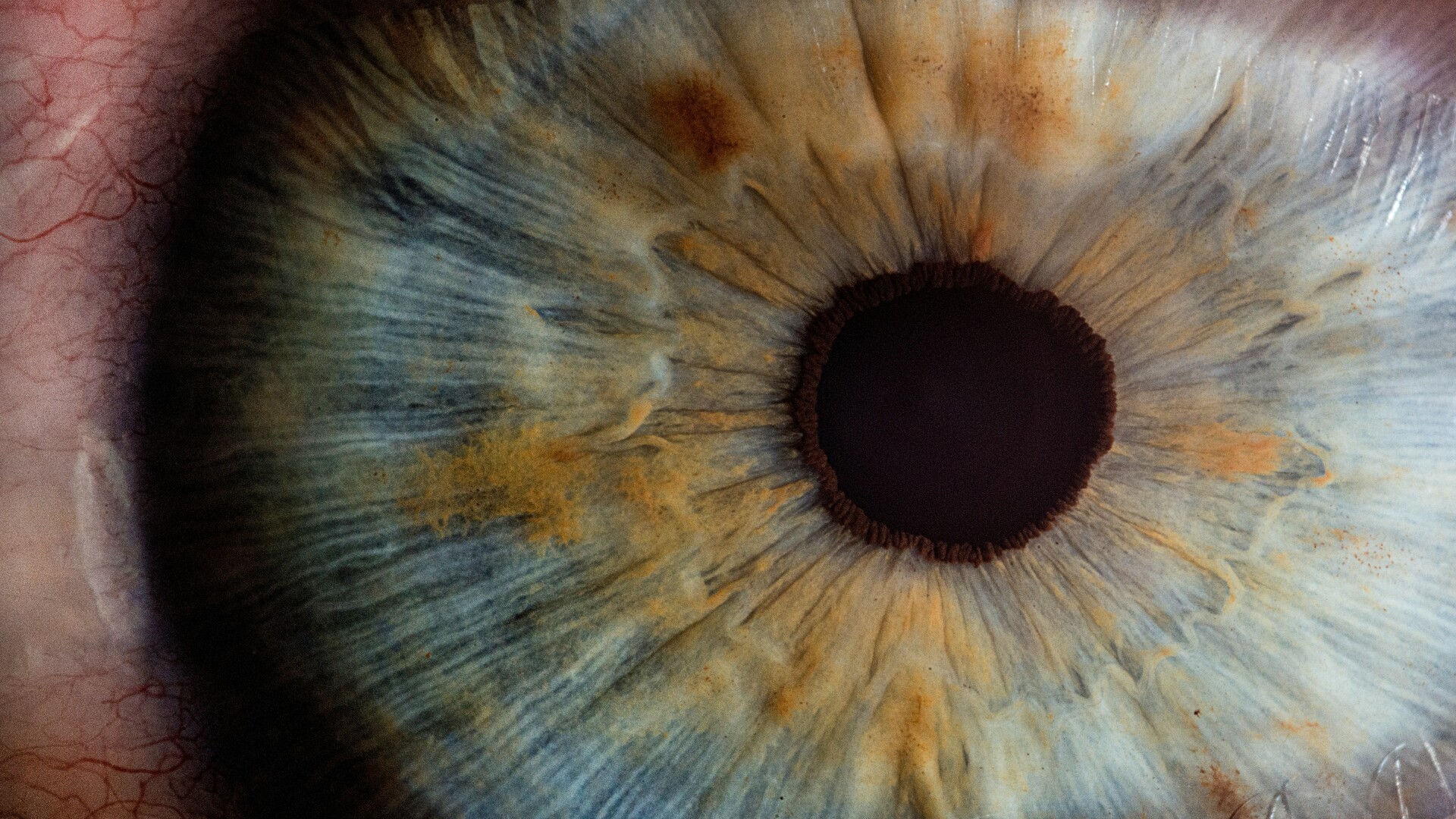
Brainspotting (BSP) is a trauma-focused psychotherapy developed in 2003 by American therapist David Grand. It's based on the premise that where you look affects how you feel, specifically, that certain eye positions correlate with unprocessed trauma or emotional pain stored in the brain and body.
The theory draws on neuroscience suggesting that trauma is held subcortically, in the deeper, more primitive parts of the brain (like the amygdala and brainstem) that don't respond well to talk therapy alone. Brainspotting tries to access and process these stored experiences directly.
A "brainspot" is a specific eye position that activates a heightened physiological or emotional response, essentially a window into where trauma is held neurologically.
A therapist guides the client to identify an issue they want to work on and notice where they feel it in their body (the "felt sense"). The therapist then slowly moves a pointer across the client's visual field and watches for subtle cues, eye twitches, blinking, changes in breathing, swallowing — that indicate a brainspot has been located. The client holds their gaze there while staying with whatever thoughts, feelings, images or sensations arise, with minimal direction from the therapist.
Bilateral sound (music played through headphones, alternating ear to ear) is often used alongside to support dual-hemisphere processing.
PTSD and complex trauma
Anxiety and phobias
Depression
Grief and loss
Performance issues (it's used with athletes and performers)
Addiction
Chronic pain and somatic conditions
It's often compared to EMDR (Eye Movement Desensitization and Reprocessing), as both involve eye positioning and trauma processing. The key difference is that EMDR uses rhythmic back-and-forth eye movement, while brainspotting uses a fixed gaze point and leans more heavily on the therapist's attunement to the client's body responses. BSP tends to be less structured and more client-led.
Brainspotting is still relatively young as a modality. There is a growing body of research and case studies supporting its effectiveness, particularly for trauma and PTSD, but it doesn't yet have the same volume of large-scale randomised controlled trials that EMDR has accumulated. Many practitioners report strong clinical results, and it's gaining wider recognition, but it's generally considered an emerging rather than fully established evidence-based therapy.
It requires specific training and is practised by licensed therapists who complete BSP certification programmes.


