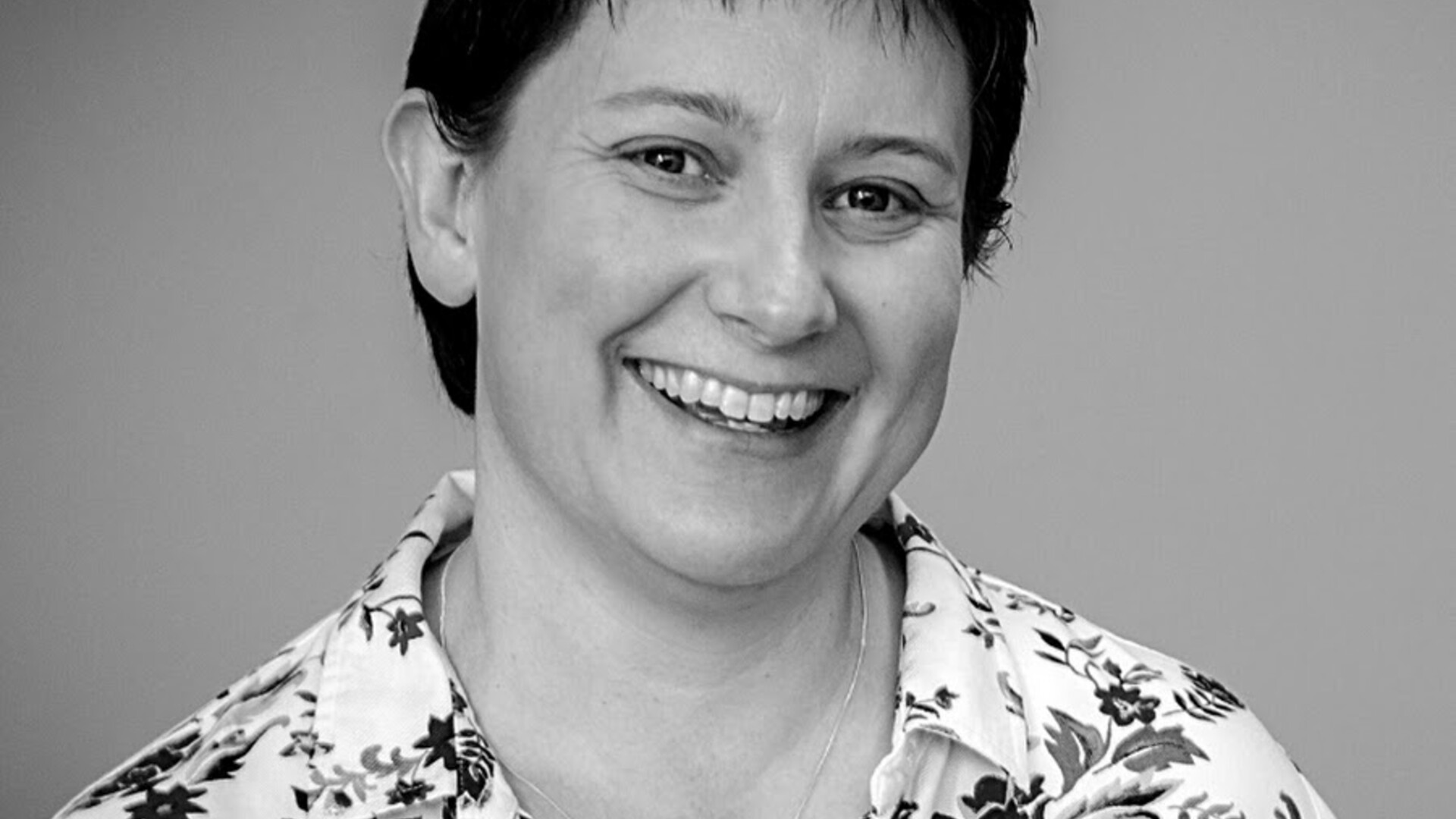
A clinical psychologist whose work centres on understanding and treating the effects of trauma. Her approach integrates neuroscience, attachment theory, and body-based therapies.

Janina Fisher is a clinical psychologist and leading voice in modern trauma therapy, known for her integrative and compassionate approach to understanding the impact of trauma on both mind and body. Her work focuses particularly on how overwhelming experiences can lead to dissociation and a fragmentation of the self, where different aspects of a person hold painful memories, emotions, or survival responses.
Drawing on neuroscience, attachment theory, and body-based modalities, Fisher reframes many common symptoms—such as anxiety, emotional reactivity, numbness, and inner conflict—not as pathology, but as adaptive strategiesdeveloped to cope with threat. Central to her approach is a parts-based model, influenced by approaches like Internal Family Systems, which helps individuals recognise and relate to these different parts with curiosity and compassion rather than judgment.
Her work places strong emphasis on practical, accessible tools that support stabilisation and regulation before deep trauma processing. This includes helping clients track their internal experience, understand triggers, and develop skills to stay grounded in the present. Rather than focusing heavily on revisiting traumatic memories, Fisher prioritises creating a sense of safety and strengthening the capacity to remain regulated while exploring difficult material.
In her book Healing the Fragmented Selves of Trauma Survivors, she outlines how trauma can disrupt a cohesive sense of identity and offers a structured framework for working with these internal divisions. Her approach helps individuals build internal communication between parts, reduce shame and self-criticism, and gradually integrate previously split-off experiences.
Overall, Janina Fisher’s work represents a shift toward trauma-informed, body-aware, and non-pathologising therapy, supporting individuals in moving from survival-based patterns toward greater stability, self-understanding, and a more integrated sense of self.